





2026年10月20日
A coffee-equipment supplier considering its next city has a deceptively simple question: where are the cafés? A spreadsheet of population figures cannot answer it. Neither can a list of the country’s largest metropolitan areas. The opportunity depends on how many suitable businesses operate in a reachable area, how concentrated they are, and whether the supplier can serve them economically.
That is where a Local Business Leads Database becomes more than a source of names. Used carefully, it provides the raw material for comparing cities before a company commits salespeople, inventory, or advertising budget.
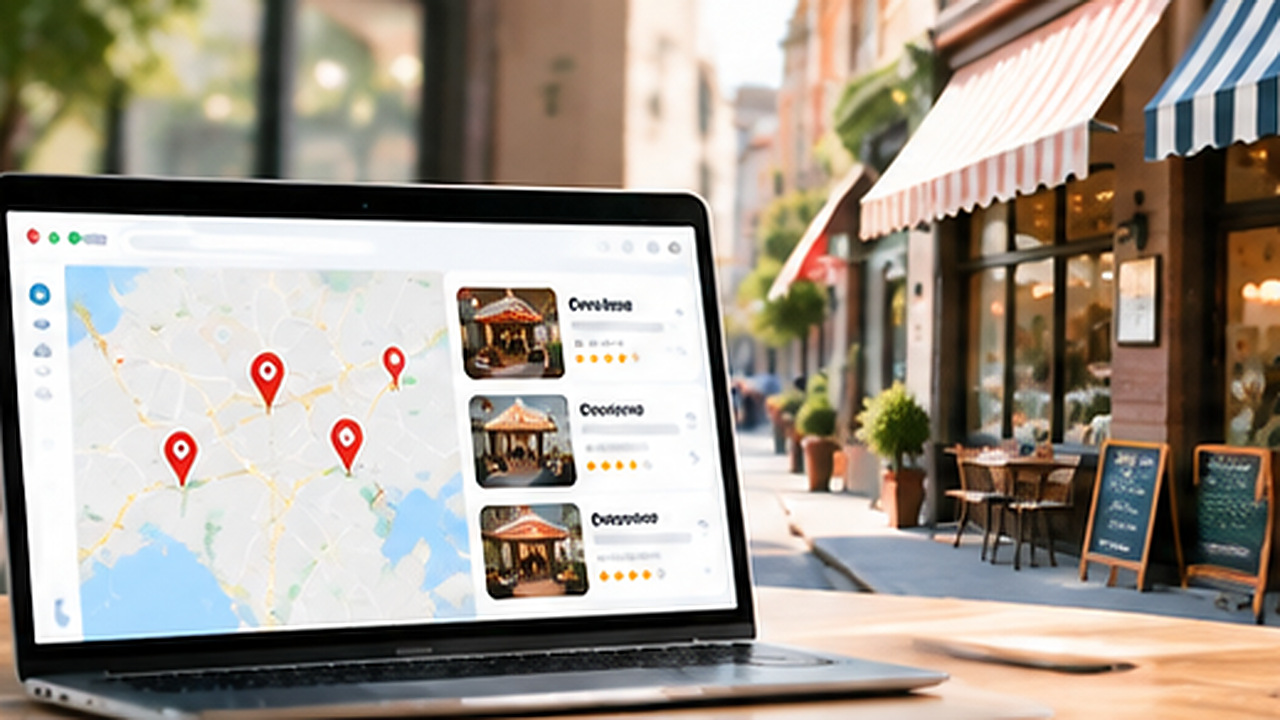
Start with a business definition, not a city ranking
Consider a hypothetical supplier of commercial espresso machines. Its ideal customer might be an independent café with seating, a dedicated coffee bar, and a realistic budget for equipment upgrades. A takeaway kiosk or a large hotel chain could have very different procurement arrangements.
Before searching a database, the supplier should define three categories:
- Core prospects: independent cafés and small hospitality groups likely to choose their own equipment.
- Adjacent prospects: bakeries, coworking venues, and restaurants where coffee is commercially important.
- Excluded businesses: purely residential locations, closed businesses, and organizations with no relevant buying role.
With these definitions, a smaller list of 300 suitable cafés can be more informative than 3,000 miscellaneous hospitality records.
Compare buyer density across comparable areas
Raw counts make large cities look attractive by default. A better starting point is qualified business density.
Qualified business density = suitable businesses ÷ serviceable square kilometers.
Suppose City A has 420 suitable cafés across 140 square kilometers, while City B has 260 across 50. City A’s density is three cafés per square kilometer; City B’s is 5.2. City B may support shorter sales routes and denser service coverage even though it contains fewer prospects overall.
Density has limitations. A river, heavy congestion, or a poorly connected district can make nearby locations expensive to reach. Once a shortlist emerges, the supplier should replace straight-line distance with realistic journey times and delivery constraints.
Measure the addressable market, not every listing
A lead record is evidence that a business may exist. It is not evidence that the business is ready to buy.
For each candidate city, review a sample of 50 to 100 records. Check whether the business appears operational, whether its category matches the intended use, and whether its contact details lead to a purchasing conversation. Then estimate:
Estimated qualified accounts = total discovered accounts × verified-fit rate.
If 70 of 100 reviewed records match the buyer profile, a starting estimate for a 500-record city is 350 potentially suitable accounts. This is a planning estimate, not a forecast of customers. Sampling bias, missing businesses, and outdated records should be recorded separately.
It is also useful to distinguish visible supply from actual demand. A market crowded with cafés may have demand for equipment, but it may also have fierce supplier competition and low margins.
Build a practical city scorecard
A sales manager can score candidate cities across four dimensions: verified prospect count, geographic concentration, service feasibility, and access to decision-makers. Each measure should use the same definitions across markets.
Do not bury uncertainty in a single score. Show the evidence alongside the ranking. For example, City C might have the best density but only 45% contact completeness. City D could have fewer cafés but more verified websites and owner-level contacts. Those differences affect how quickly a sales team can begin conversations.
For an exporter, add shipping lead time, import requirements, local installation partners, and the cost of after-sales support. These factors are outside a contact database but essential to a sound market decision.
Where Uptook fits in the research
Uptook offers location-based prospect discovery through its nearby business search, alongside company information and professional contact discovery. Its website also describes email finding, email verification, outreach channels, and CRM organization. These capabilities allow a team to move from a city-level search to a manageable set of businesses and then investigate whom to approach.
For the café-equipment example, a practical sequence would be to discover businesses within selected districts, review categories and websites, identify likely purchasing contacts where available, and store promising accounts for follow-up. Uptook reports a large global collection of business profiles, but the relevant measure for this project is the number of usable café accounts in each specific city, not the platform-wide total.
A buyer should still validate a sample independently. No business directory can guarantee that every listing is open, correctly classified, or currently interested in an offer.
Make one city earn the next city
Rather than launch in five locations simultaneously, choose two contrasting pilots. Select one dense city and one city with fewer but potentially larger accounts. Give each the same prospecting budget and measurement period.
Track verified accounts, reached decision-makers, meaningful replies, scheduled product discussions, and the time spent supporting each opportunity. When the pilot finishes, compare qualified conversations per 100 researched accounts, alongside the cost of servicing the territory.
This result is more useful than simply counting how many names the database returned. A city with moderate density and accessible buyers may outperform a crowded market with difficult logistics.
The decision to make
A local business leads database can help replace assumptions about attractive cities with a repeatable screening process. It should tell a team where relevant businesses cluster, how reliable the records are, and which markets deserve a low-cost test. The final expansion decision still needs margins, competition, and operational capacity.
Use the database to narrow uncertainty before spending heavily. That is a much stronger use of local business data than importing an enormous city list and hoping sales will follow.