





2026年10月22日
A new prospect appears in a business database with a website, a phone number, and several possible professional contacts. The sales team now faces a second decision: which communication channel is appropriate for that relationship?
Many companies answer by using every available channel. That risks creating duplicate, intrusive messages and a disjointed customer experience. A Local Business Leads Database is more productive when its records feed a deliberate contact strategy based on the buyer’s role, the available evidence, and the rules of the relevant market.
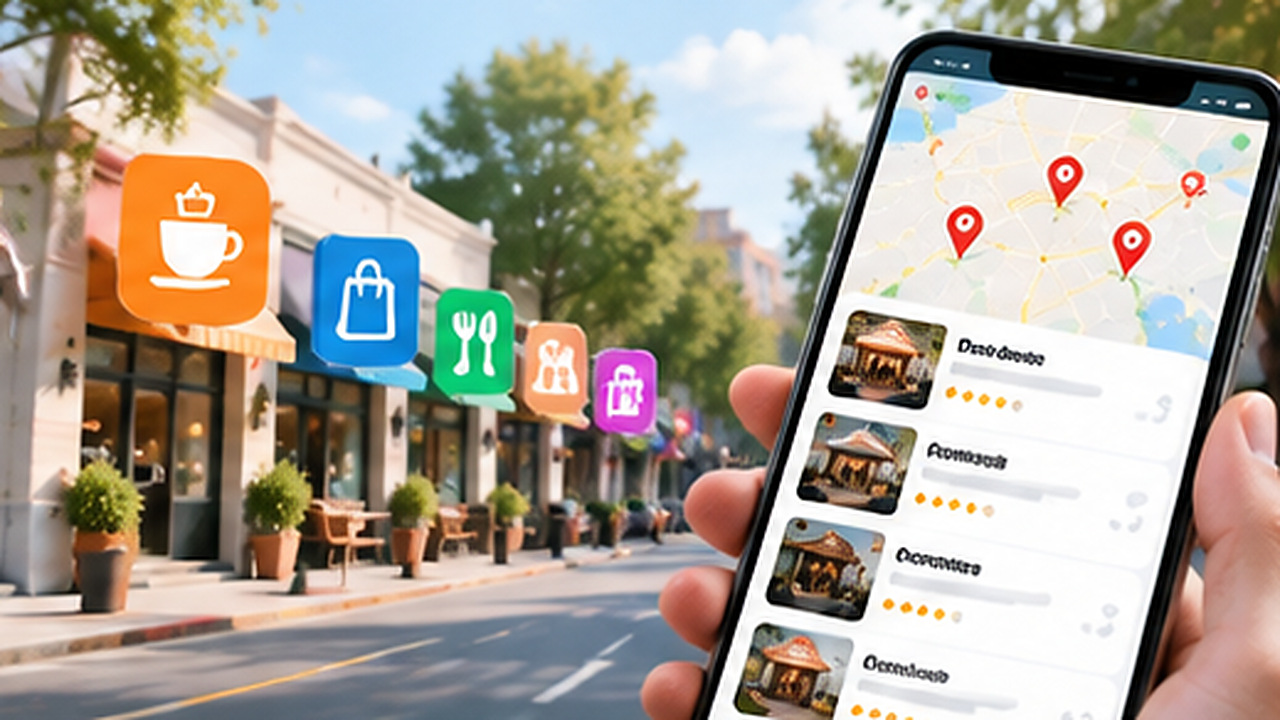
A channel is a business context
Email often suits detailed professional introductions, product documents, and requests that need to be forwarded internally. LinkedIn can help identify professional roles and establish a credible connection in markets where that channel is widely used. WhatsApp may be useful for agreed business conversations and timely follow-up where it is appropriate and permitted.
None of these rules is universal. Industry habits differ, legal requirements vary by country, and an individual recipient’s preferences take priority over a generic best-practice chart.
A published telephone number is not necessarily an invitation to receive promotional WhatsApp messages. Likewise, the existence of a business email address does not eliminate applicable consent, disclosure, or unsubscribe obligations.
Match the first contact to purchasing responsibility
Consider a company selling replacement parts to repair workshops. The workshop owner may handle purchasing directly, while a larger regional maintenance group may employ a sourcing manager.
For a small workshop, the first objective might be identifying the person who orders parts. A clear business email or permitted inquiry through the firm’s stated contact method may be appropriate. For a regional group, professional contact discovery could identify procurement or operations managers, with email used for a more detailed introduction.
Messaging should begin with a role-relevant question. The initial channel decision should be recorded so the team understands the context of any later follow-up.
Define a channel preference rule
Sales teams can create a short decision record for each account:
- Relationship: no prior contact, previous inquiry, or existing customer.
- Buyer role: owner, procurement, operations, or unknown.
- Available contact method: published corporate address, professional profile, or an agreed messaging number.
- Contact permission: documented consent or another applicable lawful basis, assessed by the company.
- Next permitted action: one appropriately chosen channel and a clear reason for contact.
This avoids deciding solely on which data field is populated.
If the relevant contact cannot be identified, spend time improving the account record before launching an elaborate campaign. Additional channels do not compensate for addressing the wrong person.
Make channel changes explainable
A prospect replies to a business email with an invitation to arrange a call. The next logical step is scheduling that conversation, not starting a fresh introduction on three other platforms.
Likewise, if a customer explicitly requests WhatsApp for order-related communication, record that preference and its scope. Consent for operational messages should not automatically be interpreted as permission for unrelated bulk promotions.
The handoff should preserve the last discussion, promised next action, and stated preferences. It helps prevent a prospect from receiving the same introduction again after they have already engaged.
Uptook as a shared research and follow-up environment
Uptook’s official website lists nearby business discovery, professional contact information, email finding and verification, and outreach support that includes email, WhatsApp, and LinkedIn. It also describes CRM tools for organizing lead status and communication history.
Those elements can support a controlled workflow: discover suitable local businesses, identify the correct people where possible, choose a lawful and relevant contact method, and document subsequent conversations. Uptook also markets AI-generated personalized outreach content, which a salesperson can edit for accuracy and appropriateness.
The availability of several tools on one platform does not mean a company should contact every prospect everywhere. Account-level channel rules and permission checks remain necessary.
Compare channels without creating a false winner
A campaign sent to 200 existing customers over WhatsApp cannot fairly be compared with 200 cold emails to unfamiliar businesses. The audiences differ before the message is delivered.
For useful measurement, compare similar contacts in comparable markets and at the same relationship stage. Track delivered messages, qualified replies, requests to stop contact, and meetings resulting from each permitted channel.
A helpful measure is qualified conversations per 100 eligible contacts, with ‘eligible’ defined by the team’s permission and relevance standards. This prevents a channel from appearing efficient merely because the denominator includes unsuitable or unreachable names.
Also measure the time required to prepare and manage each conversation. A channel that generates many short replies may still create more work than a smaller number of substantive discussions.
Build an outreach policy that can scale
A practical multichannel system does not need complex automation to begin. It needs a clear contact record, channel selection rules, respect for recipient choices, and continuity between team members.
Use the database to discover and research accounts. Use available contact tools to reach the right person through an appropriate route. Then let the prospect’s response determine what happens next.
The strongest channel strategy feels coherent to the buyer because every message has a reason to exist. That is the standard worth optimizing, not the total number of messages a platform can send.